By Excel V. Dyquiangco
Introduction:
Filipinos
are storytellers. In the world of journalism and media, they serve to
bring tales that revolutionize, narratives that change, and sagas that
challenge.
Here are four
brave souls who have managed to cultivate an environment that’s
definitely rich in Filipino class, culture and talent. Armed with much
love for the country, they devote their whole lives to bring honour,
prestige and style to the whole world–the Filipino way.
Read Full Post: http://goo.gl/KM1tol
Travel the Philippines: Beyond the Gravestones from Illustrado
Beyond the Gravestones
By Excel V. Dyquiangco
Since November is all about the dead – one might as well take
a visit to the interesting graveyards of Manila, which not only provide
fascinating architectural talking points, but a peek into history,
including the past lives of some of the country’s most influential
figures. Before you shy away from the idea though, consider that the
sprawling landscapes, the majestic and intricate monuments actually do
speak volumes, providing one a distinctly weird, but wonderful
appreciation of how those who have passed are paid homage long before
they are gone.
Manila Chinese Cemetery
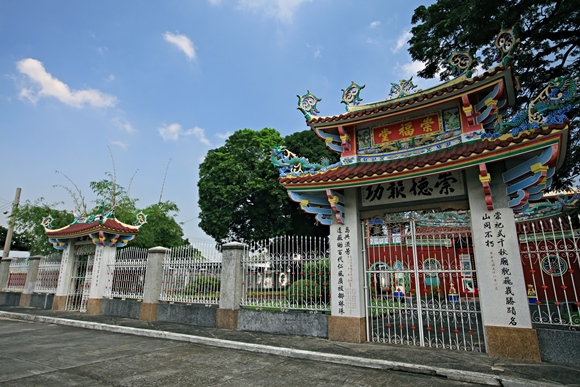
 There is no question why this is called the Manila Chinese Cemetery –
the structures that abound remind visitors of a Jackie Chan movie with
its historic and exotic molds depicted in any one of his scenes. Chinese
halls, memorials and temples with its unique designs all adorn the
gateway to the second oldest cemetery in Manila.
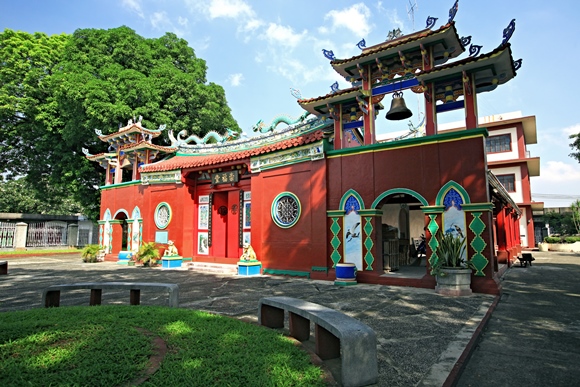
Guests are treated to one of the grandest Chinese temples in Manila
at the entrance, the Chong Hock Tong Temple, which is different from
other temples since this was built in the 1800s. Its architecture is
similar to the ones located in the Fujian province in the southeast
coast of China, and the elaborate structures of temples in Singapore and
Malaysia with their upturned eaves and colorful wall paintings.
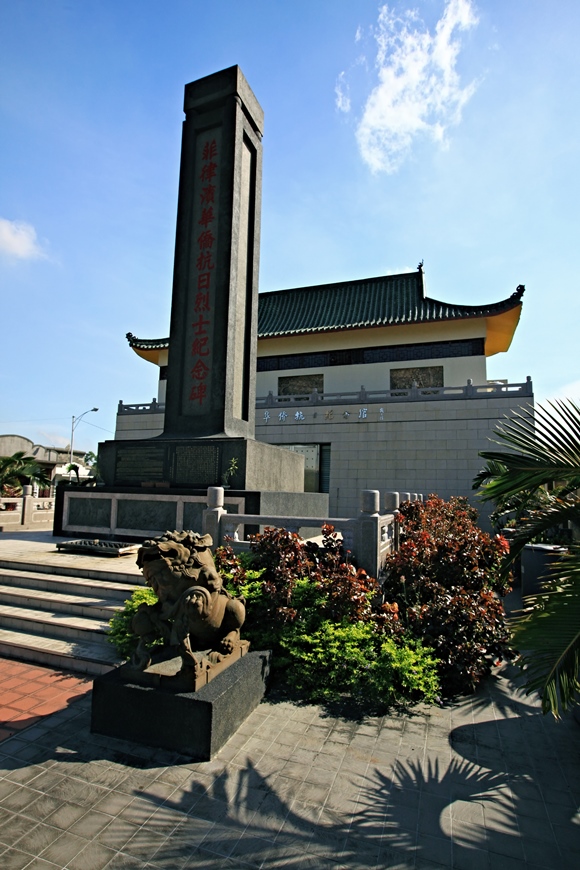
The Martyrs Hall (Liat See Tong) was constructed to give honor and
recognition to the Chinese community leaders who were put to death by
the Japanese during World War II. Not as grandiose as some of the other
temples, but still worthwhile seeing in lieu of the portraits of the
martyrs and the bit history (in Chinese, though) in its four walls.
Other notable places within the Chinese Cemetery are the Carlos
Palanca Memorial, or the Tan Quien Sien in gratitude to the efforts of
the famed Chinese businessman and leader for giving the Chinese proper
burial sites during the Spanish regime, and the Ruby Tower Memorial
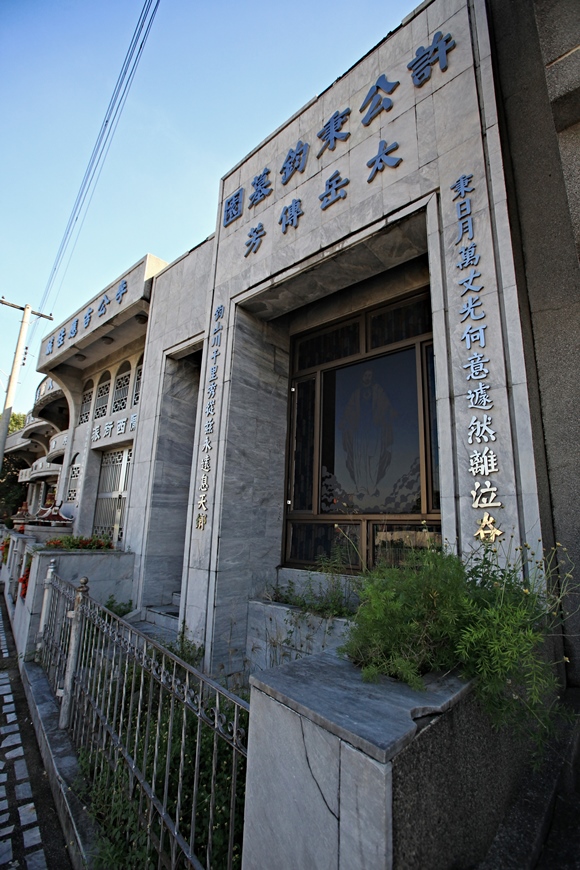
where hero Apolinario Mabini used to be buried. The mausoleums are also a
sight to behold. Much like the houses in pre-modern China, they emulate
a rich man’s house – usually a two-storey structure with a terrace or a
patio, and no windows.
See more places...
Continue reading full story and more photos here: http://goo.gl/p6Qqn6
There is no question why this is called the Manila Chinese Cemetery –
the structures that abound remind visitors of a Jackie Chan movie with
its historic and exotic molds depicted in any one of his scenes. Chinese
halls, memorials and temples with its unique designs all adorn the
gateway to the second oldest cemetery in Manila.
Guests are treated to one of the grandest Chinese temples in Manila
at the entrance, the Chong Hock Tong Temple, which is different from
other temples since this was built in the 1800s. Its architecture is
similar to the ones located in the Fujian province in the southeast
coast of China, and the elaborate structures of temples in Singapore and
Malaysia with their upturned eaves and colorful wall paintings.
The Martyrs Hall (Liat See Tong) was constructed to give honor and
recognition to the Chinese community leaders who were put to death by
the Japanese during World War II. Not as grandiose as some of the other
temples, but still worthwhile seeing in lieu of the portraits of the
martyrs and the bit history (in Chinese, though) in its four walls.
Other notable places within the Chinese Cemetery are the Carlos
Palanca Memorial, or the Tan Quien Sien in gratitude to the efforts of
the famed Chinese businessman and leader for giving the Chinese proper
burial sites during the Spanish regime, and the Ruby Tower Memorial
where hero Apolinario Mabini used to be buried. The mausoleums are also a
sight to behold. Much like the houses in pre-modern China, they emulate
a rich man’s house – usually a two-storey structure with a terrace or a
patio, and no windows.
See more places...
Continue reading full story and more photos here: http://goo.gl/p6Qqn6
- Manila American Cemetery
- Libingan ng mga Bayani
- Manila North and South Cemeteries

